

In Phoenix, AZ, the impact of drought stress on plumbing systems is a growing concern for homeowners and businesses alike. This phenomenon, characterized by prolonged periods of low rainfall, has far-reaching effects on the integrity of plumbing infrastructure. As the ground dries, soil shrinkage and foundation movement become more prevalent, putting undue stress on pipes. Understanding these dynamics is crucial for maintaining the health of your plumbing system.
Drought stress doesn’t just affect the surface we see, its consequences reach deep into the earth, impacting the stability of our homes and buildings. In areas like Phoenix, where the climate is particularly susceptible to dry spells, the risk of plumbing failure increases significantly. The soil, deprived of moisture, contracts, and this movement can disturb the foundations upon which our pipes rest. This chain reaction underscores the importance of being vigilant about the state of our plumbing during dry conditions.
Moreover, the strain on pipes isn’t limited to residential areas. Commercial properties in Phoenix, AZ, also face the challenge of mitigating the effects of drought stress on their plumbing systems. With the soil’s grip loosening on the plumbing infrastructure, leaks and breaks become more common. These issues not only disrupt daily operations but can also lead to costly repairs if not addressed promptly.
Recognizing the signs of drought-related plumbing stress early can save property owners time and money. Whether it’s unusual noises from pipes, unexplained cracks in walls or floors, or a sudden spike in water bills, these indicators should not be ignored. By staying informed and proactive, residents and business owners in Phoenix can protect their properties from the hidden dangers of drought stress.
Understanding Drought Stress and Plumbing Systems
Understanding how drought stress affects plumbing systems begins with the soil itself. As the soil dries out, it shrinks, leading to foundation movement. This movement puts pressure on pipes, which can cause them to crack or break. In Phoenix, AZ, this process is exacerbated by the region’s arid climate, making it a common issue for homeowners and businesses.
The impact of drought stress extends beyond just the immediate damage to pipes. As foundations shift, the alignment of plumbing systems can be disturbed, leading to further complications. This misalignment makes pipes more susceptible to blockages and breaks, increasing the need for repairs. Residents in Phoenix, AZ, often find themselves facing unexpected plumbing issues as a result of these conditions.
Preventing damage from drought stress involves regular monitoring of the soil moisture around your property. Homeowners and businesses can take proactive steps, such as installing moisture sensors or using drought-resistant landscaping, to mitigate the effects. These measures help maintain more consistent soil moisture levels, reducing the risk of soil shrinkage and foundation movement.
Lastly, understanding the relationship between drought stress and plumbing systems is crucial for effective maintenance. By recognizing the early signs of stress on pipes, such as leaks or low water pressure, property owners can address issues before they escalate. This proactive approach not only saves money on repairs but also ensures the longevity of plumbing systems in areas prone to drought, like Phoenix, AZ.
The Science of Soil Shrinkage During Droughts
To grasp the full impact of drought stress on plumbing systems, it’s essential to delve into the science of soil shrinkage. When drought conditions persist, the soil loses moisture and begins to contract. This contraction is not uniform, leading to uneven foundation settlement. In Phoenix, AZ, the arid climate exacerbates this problem, making soil shrinkage a significant concern for property owners.
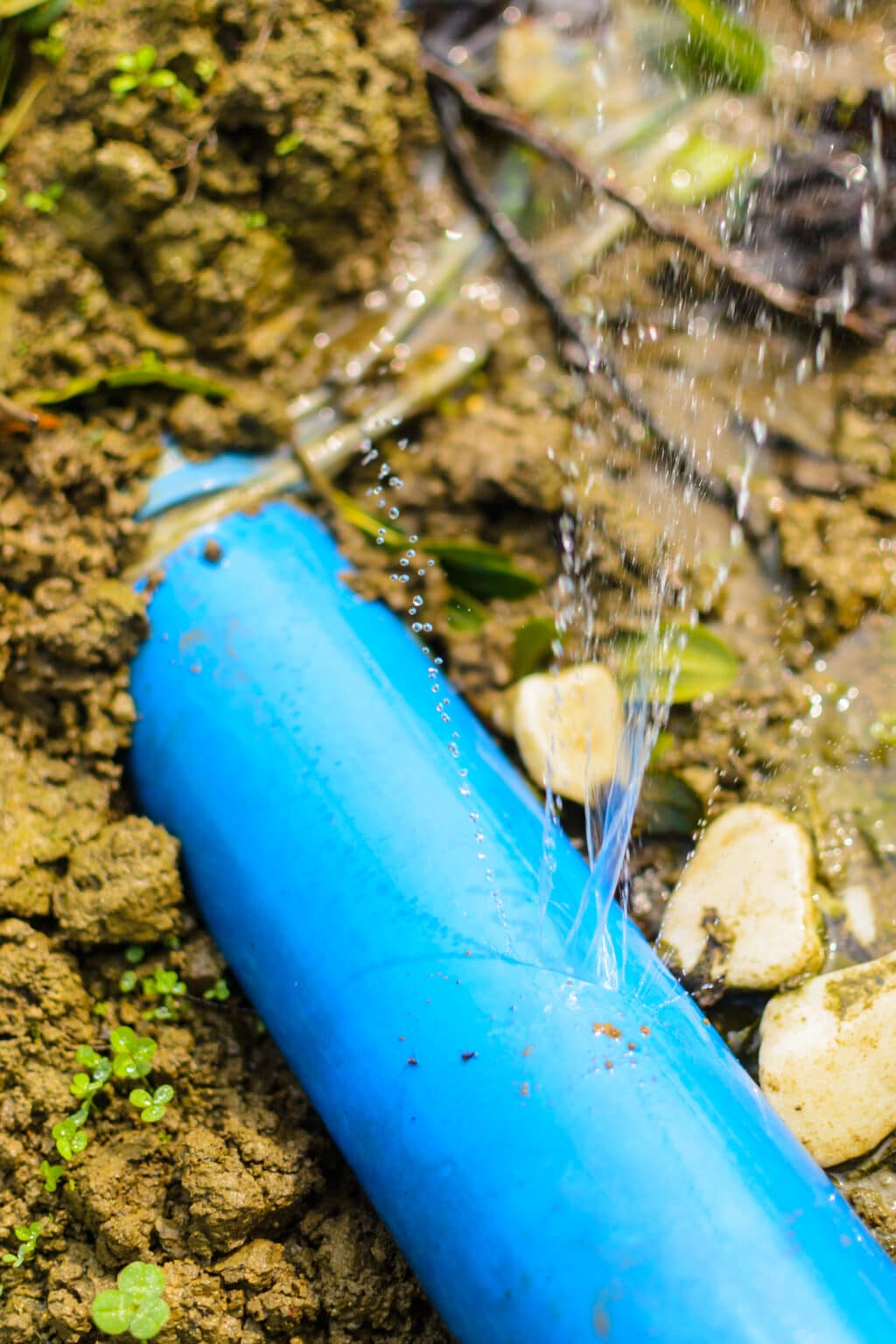
Soil shrinkage during droughts does more than just affect the surface, it reaches deep into the ground, causing foundations to move. This movement can be subtle at first but has the potential to put immense pressure on underground pipes. The pressure can lead to cracks or even complete breaks in the plumbing infrastructure. Such damage is not immediately visible, making early detection and intervention crucial.
Understanding the mechanics of soil shrinkage offers insights into preventive measures. For instance, maintaining a consistent level of moisture in the soil around a property can help. Techniques such as drip irrigation or the use of mulch in landscaping can keep the soil from drying out too quickly. These methods are particularly useful in areas like Phoenix, AZ, where the natural climate does not provide much assistance in retaining soil moisture.
Finally, the science behind soil shrinkage during droughts underscores the importance of regular plumbing inspections. By identifying signs of stress early, property owners can mitigate the risks associated with foundation movement and soil contraction. This proactive approach is vital in preventing the costly and disruptive consequences of plumbing failures due to drought stress.
How Foundation Movement Affects Plumbing
When the foundation of a building in Phoenix, AZ, starts to move due to drought stress, it doesn’t just shift the ground. This movement directly impacts the plumbing lines running beneath. As the earth moves, it can force pipes to bend or shift from their original positions. These changes increase the risk of damage, leading to leaks or complete breaks in the system.
The effect of foundation movement on plumbing is not always immediate, making it a silent threat. Over time, the continuous pressure and shifting can weaken pipes, especially those that are older or not designed to withstand such stress. This gradual damage often goes unnoticed until a significant problem arises, such as a major leak or burst pipe. Regular checks become essential to catch these issues early, especially in areas prone to drought stress like Phoenix, AZ.
To mitigate the risks associated with foundation movement, homeowners and businesses can employ several strategies. One effective approach is the installation of flexible pipe fittings that can absorb some of the movement without breaking. Additionally, ensuring proper drainage around the foundation helps maintain more stable soil conditions, reducing the likelihood of significant shifts. These preventive measures can save property owners from costly repairs and the inconvenience of plumbing failures.
Understanding the relationship between drought stress, soil shrinkage, and foundation movement highlights the importance of comprehensive property maintenance. By staying vigilant and addressing the early signs of stress on plumbing systems, residents of Phoenix, AZ, can protect their investments. Regular inspections and maintenance are key to preventing the long-term impacts of foundation movement on plumbing infrastructure, ensuring the longevity and reliability of these essential systems.

The Impact of Drought Stress on Pipe Materials
Drought stress not only affects the soil and foundation but also takes a toll on the materials used in plumbing pipes. In Phoenix, AZ, the intense heat and lack of moisture can cause materials like PVC, copper, and iron to expand and contract. This constant fluctuation weakens the pipes over time, making them more prone to leaks and breaks. It’s essential for homeowners to be aware of the materials in their plumbing system and how they react to extreme conditions.
Materials such as PVC, which are commonly used in residential plumbing, are particularly vulnerable to the effects of drought stress. The brittleness of PVC increases as it loses flexibility under dry conditions, leading to cracks and eventual failure. Homeowners in Phoenix can consult with professionals to assess the condition of their pipes and consider materials that are more resistant to drought conditions. This proactive step can significantly reduce the risk of plumbing failures.
On the other hand, metal pipes, including copper and iron, face their own challenges under drought stress. These materials can corrode or rust with temperature fluctuations and reduced water usage, common during droughts. This corrosion further compromises the integrity of the plumbing system, leading to potential health hazards and costly repairs. Regular inspections can help identify early signs of corrosion, allowing for timely interventions.
Finally, understanding the impact of drought stress on different pipe materials empowers property owners to make informed decisions about maintenance and replacements. By choosing materials that withstand the harsh conditions of Phoenix, AZ, and engaging in regular plumbing maintenance, homeowners can protect their properties. This approach not only ensures the longevity of the plumbing system but also contributes to the overall resilience of homes against the challenges posed by drought stress.
Preventative Measures for Plumbing During Drought
Taking preventative measures against the effects of drought stress on plumbing systems is essential, especially in regions like Phoenix, AZ. One effective strategy is the installation of water-efficient fixtures and appliances. These devices reduce water usage, which not only conserves a precious resource during dry spells but also lessens the strain on plumbing systems. By minimizing the demand on pipes, the risk of leaks and breaks due to soil shrinkage and foundation movement decreases.
Another important step is the regular inspection and maintenance of the plumbing system. Homeowners should schedule checks to identify any potential issues that could be exacerbated by drought conditions. Early detection of leaks, cracks, or signs of corrosion can prevent minor problems from escalating into major repairs. This proactive approach ensures that plumbing systems remain functional and resilient in the face of drought stress.
Landscaping choices can also play a crucial role in mitigating the impact of drought on plumbing infrastructure. Opting for drought-resistant plants and efficient irrigation systems helps maintain soil moisture levels without excessive water use. This strategy prevents soil shrinkage around the foundation, thereby reducing the risk of foundation movement and subsequent stress on plumbing lines. Thoughtful landscaping not only conserves water but also protects the structural integrity of plumbing systems.
Lastly, educating oneself about the local climate and potential drought patterns is invaluable. Awareness enables homeowners to anticipate and prepare for periods of low rainfall. Implementing water conservation practices and making infrastructural adjustments before drought conditions intensify can safeguard plumbing systems. With informed preparation and strategic measures, residents of Phoenix, AZ, can effectively reduce the adverse effects of drought stress on their plumbing systems.
Signs of Plumbing Failure Due to Drought Stress
Recognizing the signs of plumbing failure due to drought stress is crucial for homeowners in Phoenix, AZ. One common indicator is an unexpected increase in water bills, which suggests hidden leaks. These leaks often result from cracks in pipes caused by shifting soil. Early detection and repair can prevent more severe damage and save money.
Another sign to watch for is changes in water pressure. Drought stress can lead to soil shrinkage, affecting underground pipes and causing pressure fluctuations. If you notice a sudden drop or spike in water pressure, it’s time to inspect your plumbing. This can help identify issues before they escalate into major problems.
Cracks in the foundation or walls of your home can also signal plumbing issues related to drought stress. As the soil dries and contracts, it may cause the foundation to shift, putting stress on plumbing lines. Spotting these cracks early allows for timely interventions, safeguarding your home’s structural integrity and plumbing system.
Lastly, hearing unusual noises from your pipes, such as banging or gurgling, could indicate drought stress impacts. These sounds may result from pipes moving as the soil contracts or from air entering the lines through cracks. Addressing these noises promptly can prevent further damage to your plumbing system.

Repairing Drought-Induced Plumbing Issues
Repairing plumbing issues caused by drought stress begins with a thorough inspection to identify any damage. In Phoenix, AZ, professionals use specialized equipment to detect leaks and assess pipe integrity. This step is crucial for understanding the extent of the damage and planning the necessary repairs. Early intervention can prevent minor issues from becoming major problems, saving homeowners time and money.
Once the damage has been assessed, the next step is to address any leaks or breaks in the pipes. Techniques such as pipe relining or patching can be effective for minor damage, while more severe cases may require sections of piping to be replaced. These repairs not only restore the plumbing system but also strengthen it against future drought stress. By choosing durable materials and modern installation methods, homeowners can enhance the resilience of their plumbing systems.
Adjusting landscaping and irrigation practices is also a key part of repairing and preventing drought-induced plumbing issues. Implementing drought-resistant plants and efficient watering systems helps maintain soil moisture levels, reducing the risk of soil shrinkage. This approach not only conserves water but also protects the foundation and plumbing infrastructure from further damage. Thoughtful landscaping can be a long-term solution to mitigating the effects of drought stress on plumbing systems.
Finally, ongoing maintenance and monitoring are essential for keeping plumbing systems in good condition. Homeowners should schedule regular inspections, especially during and after periods of drought. Staying vigilant helps catch new or recurring issues early, ensuring that the plumbing system remains reliable. By adopting a proactive approach, residents of Phoenix, AZ, can effectively manage the challenges posed by drought stress.
Long-Term Strategies to Mitigate Drought Effects
Adopting long-term strategies is essential for homeowners in Phoenix, AZ, aiming to mitigate the adverse effects of drought stress on their plumbing systems. One effective approach involves upgrading to drought-resistant plumbing materials. These materials are designed to withstand the harsh conditions associated with prolonged dry spells, reducing the likelihood of damage. By choosing these advanced materials, property owners ensure their plumbing systems are better prepared to handle the challenges of drought stress.
Another crucial strategy is the implementation of smart water management systems. These systems optimize water use, preventing excess moisture that can exacerbate soil shrinkage and foundation movement. For residents of Phoenix, AZ, investing in technology like smart irrigation can play a significant role in maintaining soil stability around their homes. This not only conserves water but also protects the plumbing infrastructure from the strain caused by fluctuating soil conditions.
Educating the community about the importance of water conservation is also key to long-term drought management. Awareness campaigns can encourage residents to adopt practices that reduce water usage, lessening the overall demand on the plumbing system. Simple actions, such as fixing leaks promptly and using water-efficient appliances, contribute significantly to minimizing drought stress. This collective effort helps safeguard the community’s plumbing systems and promotes a culture of sustainability.
Finally, collaboration with local water management authorities can provide homeowners with additional resources and guidance. These partnerships can lead to the development of comprehensive drought response plans that include recommendations for plumbing maintenance and upgrades. By working together, the community and authorities can create a resilient infrastructure capable of withstanding the challenges posed by drought stress. This proactive approach ensures that Phoenix, AZ, remains prepared for future dry spells, protecting both property and the environment.
Frequently Asked Questions
What causes plumbing failures?
Drought stress often leads to plumbing failures due to soil shrinkage. As the soil dries, it contracts, causing foundation movement. This, in turn, puts extra pressure on pipes, leading to cracks or breaks. Such conditions significantly increase the risk of plumbing issues in homes.
How does drought stress affect pipes?
Drought stress impacts pipes by making the ground extremely dry. This dryness causes the soil to shrink, pulling away from the pipes. As a result, pipes may move or bend, leading to leaks or bursts. Frequent checks and maintenance can help prevent these issues during dry conditions.
Can weather changes impact plumbing?
Weather changes can indeed affect plumbing systems. As temperatures fluctuate, pipes may expand or contract, leading to potential damage. During colder months, the risk of pipes freezing and bursting increases. Regular inspections and preventive measures can help mitigate these risks, ensuring your plumbing remains in good condition.
What are signs of drought stress in plumbing?
Signs of drought stress in plumbing include unexpected leaks or cracks in pipes. You might also notice a shift in your foundation, leading to uneven floors. Another indicator is a sudden drop in water pressure, suggesting a pipe failure underground. Lastly, frequent clogs can signal that soil shrinkage is affecting your plumbing’s efficiency.
How can plumbing be protected from drought?
To protect plumbing from drought stress, regular inspections are key. These checks can identify potential issues before they worsen. Adding soil moisture through responsible watering helps maintain ground stability. Finally, consulting with professionals like Benjamin Franklin Plumbing ensures your system gets the best care against drought conditions.